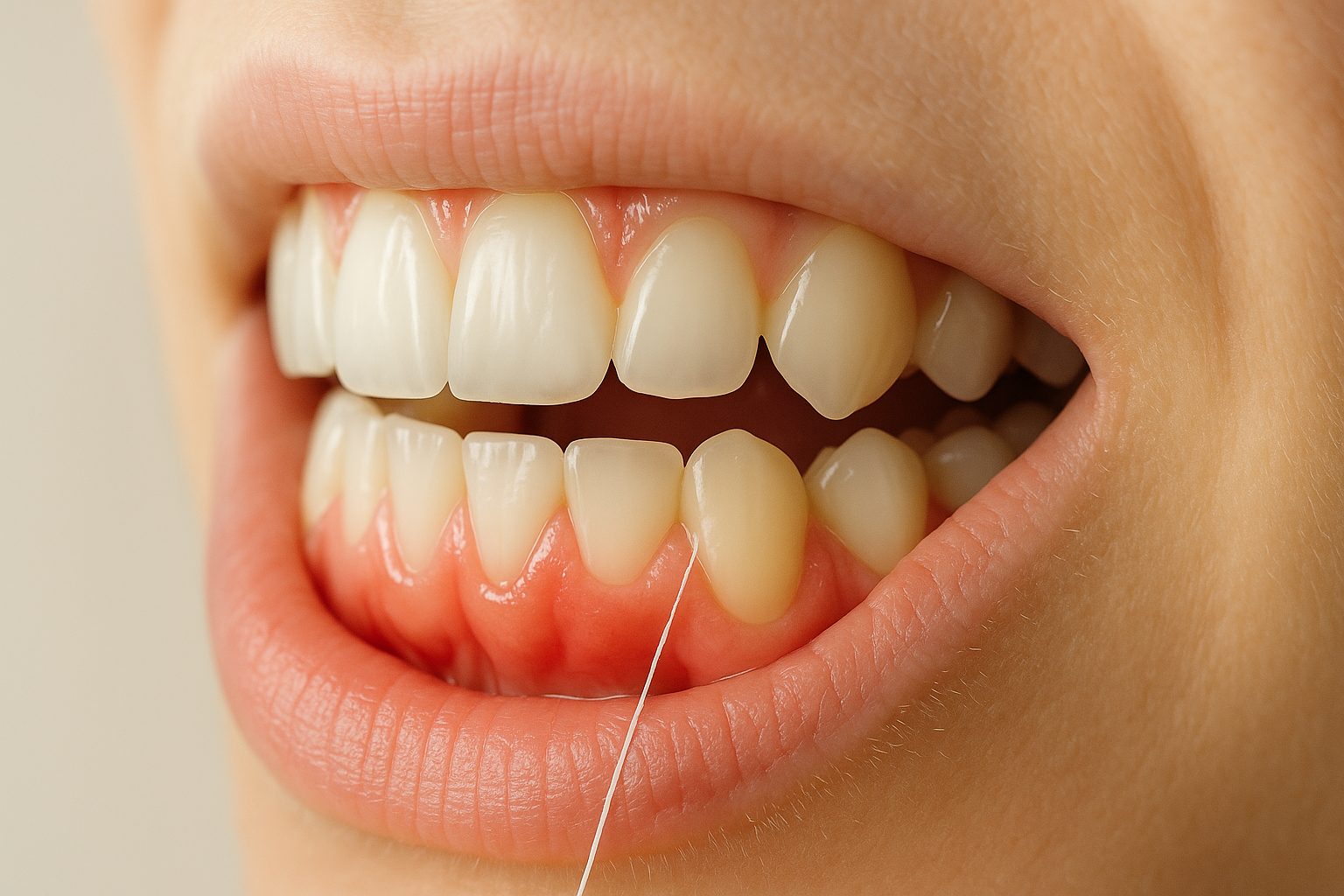
Gum puffiness is common, and a little detective work usually reveals why. The timing (hours versus weeks), the exact spot (one tooth versus many), and recent changes in routine tell you most of what you need to know—and what to do next. Below is a practical map I use in clinic to help patients move from guesswork to confident action. [1]
What Is Your Body Saying When Gums Look Puffy?
Most swollen gum edges are a response to local irritation. The usual story is simple: plaque collects where the tooth meets the gum, the margin gets tender and fuller, and—when brushed—it may bleed a little. This can happen in just one area (after a seed husk or a rough brush) or across several zones when daily plaque control hasn’t quite reached the gum line.
Time course matters. Puffiness that shows up within hours to a couple of days tends to follow a recent trigger: a popcorn hull, a new retainer rubbing, or a vigorous floss snap. Swelling that hangs around for weeks is different. That longer timeline often reflects ongoing biofilm build‑up, a hard‑to‑clean spot, or wider influences that keep the gum edge reactive.
In my practice, when people ask what this swelling “means,” I translate it this way: the gum line is raising a small flag that local self‑care needs refining, or that something about the mouth—or the body—has changed enough to make everyday plaque more irritating than before.
96% of Dental Pro 7 customers reported visible improvement in gum appearance Source: 303 approved product reviews for Dental Pro 7 product line (2023–2025)
Why Do Gums Sometimes Puff Up After Flossing or a Dental Cleaning?
If a spot was already heavy with plaque, your first thorough clean can make tenderness more obvious. You didn’t cause the puffiness; you revealed an area that needs a few days of consistent, gentle care to settle. This is a normal short‑term response and often improves as you keep the area clean with light pressure.
Technique is key. Snapping floss through the contact and dragging it against the gum edge can bruise the margin. Instead, slide the floss gently, curve it into a C‑shape against each tooth, and polish with small up‑and‑down strokes. Many adults do better with interdental brushes sized by a professional; these clean the gum crannies predictably without the snap.
After professional cleaning, new routines can uncover tender areas you didn’t know were there. Stick with soft bristles, use micro‑strokes, and aim for consistency over force. Over days to weeks, most people notice a calmer‑looking gum line and a cleaner, smoother feel on the teeth.
Is It Short‑Term Irritation or Something Ongoing? How Can You Tell?
One sore spot tied to a specific trigger usually improves within days once the irritant is removed and the gum edge is kept clean. By contrast, mouth‑wide redness, persistent puffiness, and bleeding on brushing that last for weeks point toward a broader plaque issue or plaque traps you can’t reach on your own.
Track your patterns. Morning breath, a filmy feel on teeth by midday, and persistent edge redness suggest you need to step up daily plaque control and book a hygiene review to look for crowding, rough fillings, or hidden food traps.
| Pattern | Typical timeline | Likely triggers | What to do this week | When to book a dentist |
|---|---|---|---|---|
| Single tender spot after eating or rough brushing | Hours to a few days | Seed husk, floss snap, new retainer edge | Gentle brushing at 45°, curved flossing/interdental brush, salt‑water swish | If not improving in 3–5 days or pain escalates |
| Several areas look red and puffy, bleed when brushing | Weeks | Daily plaque left at gum line, hard‑to‑reach crowding | Soft brush; interdental brushes daily; consistent 2–4 weeks | If bleeding and puffiness persist beyond 2–4 weeks |
| Uniform gum fullness, especially around back teeth | Weeks to months | Medication‑related gum overgrowth (e.g., some anticonvulsants, calcium‑channel blockers) | Refine cleaning; note new meds; do not change prescriptions without advice | Book a check‑in to discuss plaque control and coordinate with your prescriber |
| Sudden one‑sided swelling, heat, bad taste | Hours to days | Trapped debris, cracked tooth, or acute infection | Do not press or lance; keep area clean and call | Urgent dental care—especially if facial swelling or fever appears |
For general guidance on gum concerns, the American Dental Association and the NIDCR offer clear overviews. [2]
When Does Gum Puffiness Point Beyond the Mouth?
Life stages and stress can change how your gums respond to everyday plaque. Puberty, pregnancy, and menopause often make the margin appear redder and fuller for the same plaque levels. The answer is not to scrub harder but to clean gently and more precisely at the gum edge, then keep regular hygiene visits.
Medications matter. Certain anticonvulsants and calcium‑channel blockers are linked with gum overgrowth. Never stop or change a prescription on your own. Instead, tell your dentist what you’re taking so your home routine and dental schedule can be adjusted to keep the gum line calm in appearance.
Gut microbes also enter the conversation. Persistent gum bleeding has been reported alongside Helicobacter pylori infection in the literature; one report noted that addressing H. pylori coincided with complete resolution of resistant gum bleeding in that case (PMID: 29869386). This doesn’t mean everyone with bleeding gums has H. pylori, but it’s a useful reminder: if mouth‑focused care stalls, consider a medical review.
Finally, if swelling is sudden, one‑sided, and paired with facial swelling, foul taste, or fever, contact a dental professional promptly. Those features point away from simple irritation and toward a problem that needs in‑person care.
Which At‑Home Steps Calm the Gum Line Without Overdoing It?
Start with the basics and make them gentle but thorough. Twice daily, use a soft, compact brush, tilt the bristles 45° to where the tooth meets the gum, and use short micro‑strokes for two minutes. You’re aiming to sweep the sticky film off the gum edge without scrubbing the tissue.
Clean between teeth every day. If floss is tricky, ask your dental professional to size you for interdental brushes—many adults clean better with these. Rinse with plain water after snacks, and avoid all‑day grazing and sugary drinks that keep plaque fuelled.
Some people like an add‑on step along the gum line. A professional‑strength, lipid‑based gum care concentrate such as Dental Pro 7 can be massaged onto the margins after brushing. Its “100% Lipid Potency” complex is designed to cling to the gum line rather than rinse away quickly, supporting a fresher feel and a healthier‑looking margin. Many reviewers describe a gum line that looks visibly firmer and healthier-looking over the first few weeks, and fresher breath with a noticeably cleaner feel. Use it as a supportive part of your daily routine—not as a stand‑alone fix. [3]
Stay consistent for 2–4 weeks. If the gum line still looks puffy and you see bleeding when brushing, book a professional cleaning and exam to find traps you can’t see. The NHS has helpful pointers on daily plaque control and how regular checks keep small issues from becoming bigger ones.
Do Mouthwashes Help With Swelling and Redness?
Rinses can support your routine, but they don’t replace brushing and interdental cleaning. Evidence from systematic reviews suggests that certain essential‑plant extract mouthrinses can reduce plaque scores and the visible signs of gum irritation compared with controls (PMID: 39133629). Formulations (and alcohol content) vary, so comfort and taste differ person to person. [1]
Remember, a strong antiseptic used daily and long term can shift the oral microbiome. Emerging work explores wider considerations—from taste effects to microbial balance and even theoretical links to systemic topics—so the principle is targeted, time‑limited use when needed (PMID: 39379282; PMID: 41498506; PMID: 40458201).
If a rinse leaves your mouth dry or alters taste, reassess the product and frequency with your hygienist or dentist. And remember, your brush and interdental tools do the heavy lifting; a rinse is the supporting act.
When Is It Time to See a Dentist?
Book a professional review if puffiness and bleeding on brushing persist beyond 2–4 weeks despite consistent, gentle cleaning. Also call if you notice gum recession, wobbliness, or breath that doesn’t improve with better home care. Regular exams identify hidden plaque traps—like crowding, ill‑fitting fillings, or a chipped edge—that keep the margin upset in appearance.
When to see a professional, fast:
If swelling is sudden and one‑sided, there’s a bad taste, the area feels hot, or facial swelling or fever develops, seek urgent dental care. Do not press, lance, or apply heat at home.
Occasionally, mouth‑wide puffiness with a history of new medications or hormonal shifts needs a coordinated plan. Your dentist can tailor your cleaning routine and, if needed, liaise with your prescriber. For broader background, the ADA and NIDCR pages linked above are reliable starting points.
Is It Safe to Keep Brushing If Gums Are Puffy or Bleed a Little?
Yes. Gentle, thorough cleaning at the gum edge is essential. Stopping often allows more plaque to sit undisturbed, keeping the tissue puffy and easily irritated. Switch to a soft brush, lighten your pressure, and let the bristles—rather than your arm—do the work. An electric brush with a pressure sensor helps many people.
Expect gradual improvement with steady care over 2–4 weeks. If bleeding remains frequent, it’s time for a professional review to check technique, look for plaque traps, and plan next steps. For more on this everyday question, see our related guide: Why do my gums bleed when I brush my teeth, even though I brush every day?
Frequently Asked Questions
What vitamin deficiencies can make gums look puffy or bleed when brushing?
Low vitamin C and, less commonly, low vitamin K can be linked with tender, easily‑bleeding gums. These are not the most common causes—daily plaque build‑up is—but if your diet is limited, speak with your physician or a dietitian. Don’t self‑dose high supplements without medical advice.
Can braces or aligners cause swollen gums, and how do I keep the gum line calm during orthodontic care?
Yes. Brackets, wires, and aligner edges trap plaque and can make the gum margin look red and puffy. Use an electric brush with a soft compact head, interdental brushes under the wire, and a small tuft brush around brackets. Rinse aligners, avoid sipping sugary drinks with them in, and keep regular hygiene visits.
Do hormonal changes (pregnancy, menopause, birth control) make gum swelling more likely?
They can. Shifts in hormones change how your gums respond to everyday plaque, so the same biofilm can lead to a redder, puffier look. Step up gentle gum‑line cleaning, use interdental brushes daily, and keep routine check‑ins. If you’re pregnant, let your dentist know—care can be tailored safely.
Which mouthwash type is best if my gums look red and tender?
Use rinses as an add‑on, not a swap for brushing and interdental cleaning. Essential‑plant extract formulations have shown plaque‑reduction benefits in reviews, while stronger antiseptics are generally used short term. If a rinse causes dryness or taste changes, switch and discuss options at your next visit.
How long should it take for gum puffiness to settle once I improve my routine?
If plaque was the main driver, a calmer‑looking gum line often appears within 2–4 weeks of consistent, gentle cleaning at the gum edge and between teeth. If puffiness and bleeding on brushing continue beyond that, book a professional review to check for plaque traps or wider factors.
Can stomach issues like H. pylori relate to ongoing gum bleeding?
Some research notes a connection. One report found that managing Helicobacter pylori coincided with complete resolution of resistant gum bleeding in that case (PMID: 29869386). This points to gastrointestinal factors as worth exploring if mouth‑focused care doesn’t normalise gum health in appearance. [2]
As a final note, if you prefer a simple routine with a targeted add‑on, consider massaging a professional‑strength, lipid‑based gum care concentrate like Dental Pro 7 along the margins after brushing. Many people describe a freshly‑polished, cleaner feel and a calmer‑looking gum line—supporting that check‑up confidence we all want.
| Metric | Finding | Source |
|---|---|---|
| Gum disease prevalence (US adults) | 47.2% | CDC, 2024 |
| Adults with severe periodontitis | 9.0% | CDC, 2024 |
| Link to systemic health | Established association | NEJM, 2017 |
"I have been using Dental Pro 7 for a little over a month, I had swollen gums that bled every time I brushed. After about 2 days of using Dental Pro 7, I no longer had bleeding gums while brushing. Several loose teeth s…"
— Cheri Summers Buccino ★★★★★