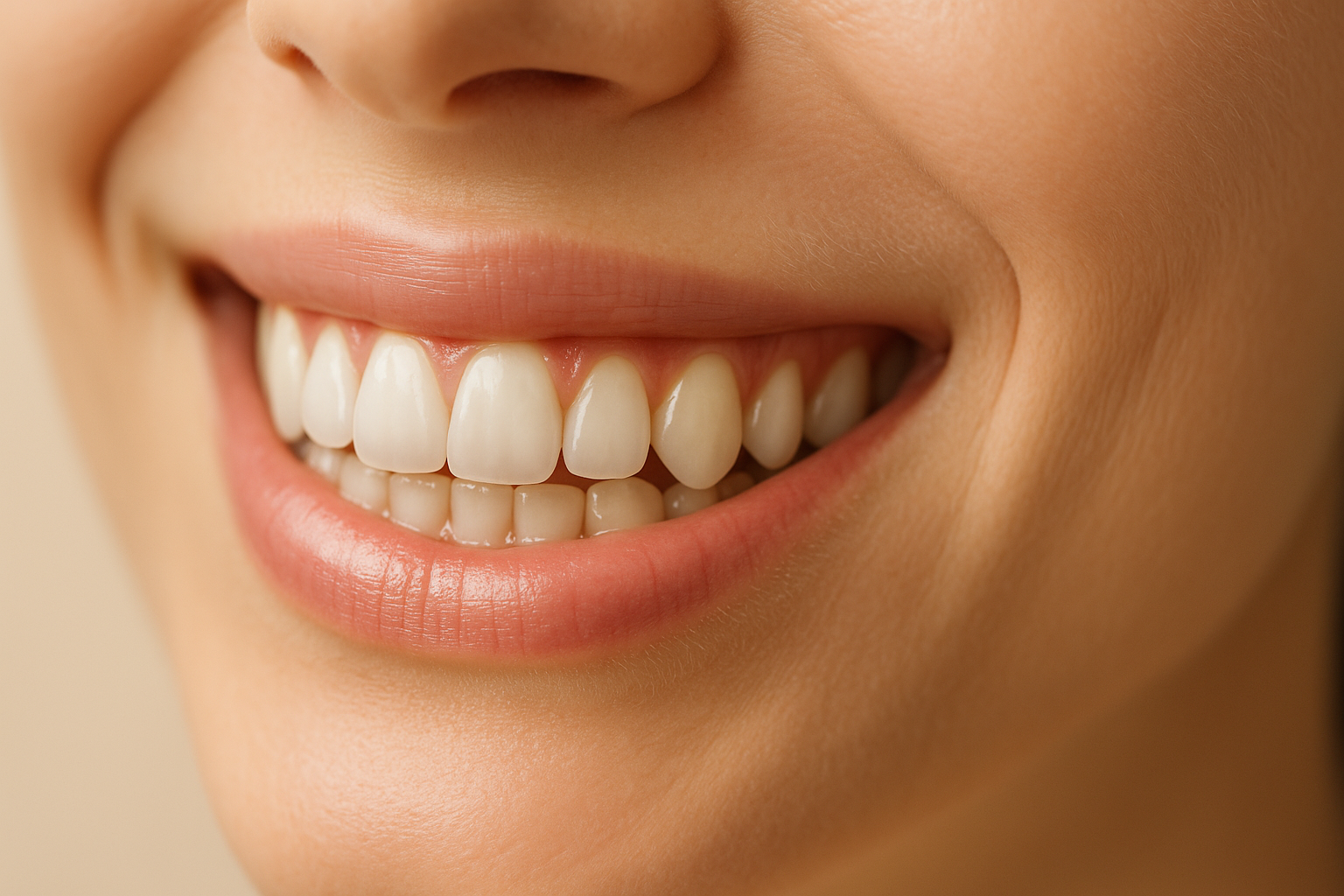
When you ask how to restore the healthy look of your gum line, the real answer is surprisingly simple: work with your mouth’s own defences, not against them. That means precise mechanical cleaning you can see and feel, saliva-friendly daily habits, and regular dental check-ups to confirm your progress.
Below, I’ll show you the exact routine I recommend in practice. You’ll also learn why saliva’s natural defences matter (including secretory IgA, lysozyme and lactoferrin), when less is more with antiseptic rinses, how to personalise interdental cleaning, all so you can reach visibly fresher, cleaner results.
What actually makes gums look healthy again?
Visually healthier gums don’t come from scrubbing harder; they come from removing the soft, sticky film that collects at the gum edge and between teeth—thoroughly, gently, and consistently. Day to day, your targets are straightforward: a calmer-looking gum line with a pinker, more sculpted appearance, and teeth that feel cleaner, smoother and freshly polished.
Saliva is your built-in defence system. It helps keep the mouth in balance and supports a health-associated community of oral microbes. Saliva carries protective factors like secretory IgA, lysozyme and lactoferrin, which help maintain a favourable environment at the gum line. Protecting saliva flow and function is foundational if you want naturally healthier-looking gums. A useful overview is available via the dental research literature on salivary defences (PMID 30696553). [1]
Consistency beats intensity. In my experience, the people who see the most visible improvement aren’t the ones who scrub the hardest—they’re the ones who quietly nail the fundamentals: two minutes of slow, angled brushing twice a day, interdental cleaning once daily, and a simple night routine that lets protective ingredients stay put.
96% of Dental Pro 7 customers reported visible improvement in gum appearance Source: 303 approved product reviews for Dental Pro 7 product line (2023–2025)
How should I brush and clean between teeth for visible gum-line renewal?
Start with a soft, compact manual brush or a quality oscillating/sonic brush. Angle the bristles about 45 degrees toward the gum edge and glide slowly along every surface. Take the full two minutes; that gentle sweep is what disturbs the film sitting right at the margin.
Between teeth is where most routines fall short. If a space will accept an interdental brush, choose a size that fills the gap comfortably without force—this is often the quickest way to create a cleaner, smoother feel at the gum line. Where spaces are too tight, use floss or tape, tracing a gentle C-shape around each tooth to contact the sidewall plaque.
Finish with your tongue. A quick tongue clean helps neutralise odour-causing impurities and keeps your breath feeling fresher. Then, once a week, do a 60-second self-check: run your tongue along the gum edges—do they feel smoother? In the mirror, do the gums look calmer and more even along the scalloped edges of your teeth? Those are the day-to-day signs you’re on track.
Which daily habits help saliva protect my gums’ healthy look?
Think of saliva as your mouth’s climate control. It cushions the effects of meals, helps rinse away food debris, and supports a microbiota that’s linked with a cleaner, healthier-looking gum line. Your job is to avoid drying the mouth and to give saliva time to do its work.
Practical steps that help:
- Sip water regularly and avoid frequent nibbling or sipping sugary/acidic drinks between meals. Gaps between eating let saliva rebalance the mouth.
- Chew xylitol gum after meals to encourage saliva flow and a cleaner feel on tooth surfaces.
- Breathe through your nose when you can; mouth breathing dries tissues and can blunt that just-cleaned look.
- Night routine matters: brush, clean between, then leave-on steps last so helpful ingredients have time to stay where you placed them.
Protecting saliva is evidence-informed. Dental research highlights the role of natural salivary factors (like secretory IgA, lysozyme, and lactoferrin) in maintaining a health-associated oral microbiota (PMID 30696553). That’s why lifestyle tweaks—hydration, meal timing, nasal breathing—can show up as a visibly calmer gum line over weeks. [2]
Should I use mouthwash — and when might less be more?
Rinses can be helpful, but they’re not a shortcut. If your brushing and interdental cleaning are on point, most people only need milder rinses day to day. Reserve strong antiseptics for short, clinician-guided windows. Overuse can nudge the mouth’s microbial balance off course; one study reported a shift toward Firmicutes after chlorhexidine prophylaxis in healthy adults (PMID 34485179). While research in other tissues has shown different effects (PMID 33259824), inside the mouth, caution with frequency is wise. [3]
Here’s how the options compare when your goal is a healthier-looking gum line:
| Option | What it is | Best for | Potential drawbacks | How to use | Visible change timeline |
|---|---|---|---|---|---|
| Strong antiseptic rinse | High-strength antibacterial mouthwash | Short, dentist-guided periods when advised | May disrupt oral microbial balance if overused | Use only as directed; separate from brushing | Not a standalone route to cosmetic improvement |
| Gentle, alcohol-free rinse | Milder everyday mouthwash without harsh actives | Freshening breath alongside thorough cleaning | Can dilute toothpaste benefits if used immediately after brushing | Use at a different time than brushing | Freshness from day one; gum-line look improves with brushing |
| No-rinse, saliva-first | Water sips, xylitol gum, and precise mechanical cleaning | People prioritising the mouth’s own defences | Requires consistency and good technique | Build habits around meals and a solid brush/floss routine | 2–4 weeks for a calmer-looking gum line |
Whichever route you choose, avoid rinsing right after brushing—especially if your toothpaste contains helpful actives—so you don’t wash away benefits. If you prefer a rinse for freshness, space it at a different time of day.
Can my background or genetics change what a healthy gum line looks like?
Yes—there’s real variation in how plaque builds and how gums look day to day. Oral microbiota and plaque composition can differ by ethnicity, diet, and habits, even in people without tooth decay. A recent analysis of healthy adults found measurable, ethnicity-linked differences in plaque composition and routine behaviours (PMID 39170429).
That’s why personalisation beats imitation. The right interdental brush sizes for you, the angle you prefer with a sonic head, and whether you do your final step morning or night can all shape your results. Track your own response over 4–6 weeks and adjust tools rather than copying someone else’s set-up. In my practice, this small wave of micro-adjustments is what nudges a gum line from “okay” to visibly firmer and pinker-looking.
What should I eat and drink for naturally healthier-looking gums and fresher breath?
Your menu can support that clean, just-polished feel. Build meals around foods that make you chew—crunchy vegetables, fibre-rich grains and legumes—so saliva flows. Include dairy or other calcium-rich options for a smoother feel on enamel during the day, and keep sugary or acidic drinks to mealtimes.
Between meals, sip water and use xylitol gum to encourage saliva. If you do enjoy a soda or citrus drink, follow with water. These small choices help your mouth return to neutral more quickly, which often shows up as a calmer-looking gum margin and fresher breath.
For common concerns like puffiness or bleeding with brushing, see our related guides: What Does It Mean if Your Gums Are Swollen? and Why Do My Gums Bleed When I Brush My Teeth - Even Though I Brush Everyday! These walk through everyday reasons and practical next steps—always focused on appearance and feel, not medical claims.
Can a professional-strength gum care concentrate help where toothpaste can’t?
Toothpaste and water are designed to rinse away. If you want support that lingers at the gum edge, look for a professional-strength gum care concentrate with 100% Lipid Potency—an ultra-concentrated format that bonds to the gum line and stays where it’s needed instead of immediately washing off. Used after you’ve brushed and cleaned between, this final step can help the gum margin look calmer and keep breath fresher for longer. [1]
If you’d like an example, Dental Pro 7 is a professional-strength, lipid-based gum care concentrate designed for this role. It’s not a cure or a substitute for precise cleaning—think of it as a supportive part of your routine. Real-world feedback is encouraging: many reviewers describe a gum line that looks visibly firmer and healthier-looking over the first few weeks, fresher breath with a noticeably cleaner feel, and feeling more confident ahead of their next dental visit. [2]
Apply sparingly, especially at night after your brushing and interdental steps, so the concentrate can stay put. This is where many people notice the biggest difference in morning freshness and that sculpted, revitalised-looking gum edge.
When should I book a dental visit if my gums don’t look right?
Most changes in the look of your gum line respond well to better cleaning and saliva support over a few weeks. But if something seems off, trust your instincts and get a professional opinion.
When to see a dental professional
Book a check-up if you notice persistent colour changes, ongoing tenderness to touch, or breath that doesn’t improve despite excellent daily cleaning. Regular professional cleanings, tool-sizing checks, and personalised coaching on technique can make a visible difference. If you have medical conditions, ongoing dry mouth, or medications affecting your mouth, ask your dentist or hygienist for tailored advice.
For reliable guidance on daily care, the American Dental Association and the CDC Oral Health pages offer helpful overviews that align with the routine described here.
Frequently Asked Questions
How long does it take to make my gums look pinker and healthier again?
With consistent brushing and interdental cleaning, many people notice a calmer-looking gum line and smoother, cleaner-feeling teeth within 2–4 weeks. Keep going for 6–8 weeks to lock in habits. Survey data show 91% report a visibly firmer, healthier-looking gum line within 4 weeks when they add a supportive lipid concentrate. [3]
Is floss or an interdental brush better for improving my gum line’s appearance?
Use the tool that contacts the plaque in your spaces. Interdental brushes are best where they fit; choose sizes that gently fill the gap. If spaces are too tight, floss or tape with a C-shape hug works well. Many adults need a mix of sizes and tools.
Why do my gums still look puffy even though I brush twice a day?
Puffiness can persist if plaque remains between teeth or along the gum margin. Add daily interdental cleaning, slow down your brushing technique, and support saliva. If the look doesn’t improve within 2–4 weeks, book a dental check to rule out other causes.
Can mouth breathing or dry mouth make my gums look worse?
Yes. Dry tissues make plaque feel stickier and can dull that freshly-cleaned look. Prioritise nasal breathing, drink water regularly, and consider xylitol gum after meals to encourage saliva. If dryness persists, speak with your clinician.
Do electric toothbrushes make a visible difference at the gum line?
Many people achieve a cleaner gum margin more easily with oscillating or sonic brushes, provided they use a gentle, angled sweep and take the full 2 minutes. The tool helps, but technique and consistency drive visible change.
Can I rely on a rinse alone to improve how my gums look?
No. Rinses can be supportive, but nothing replaces physical plaque removal. Prioritise brushing and interdental cleaning. If you use a rinse, choose milder options daily and reserve strong antiseptics for short, clinician-guided periods.
Putting it all together
Your path to a healthier-looking gum line is clear: remove plaque thoroughly and gently, protect saliva, and clean between teeth daily. Track your progress weekly. If things don’t improve, check in with your dental professional. With consistency, most people can enjoy gum-line renewal—firmer, pinker, naturally healthier-looking gums and fresher breath—within weeks.
| Metric | Finding | Source |
|---|---|---|
| Gum disease prevalence (US adults) | 47.2% | CDC, 2024 |
| Adults with severe periodontitis | 9.0% | CDC, 2024 |
| Link to systemic health | Established association | NEJM, 2017 |